
Does your Chiropractor suggest Ice or Heat?
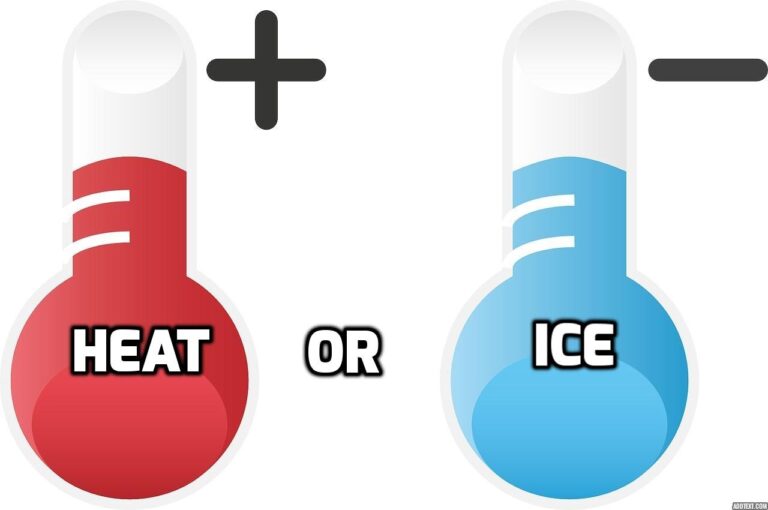
Health professionals often get asked the question, “Should I use ice or heat on my injury, sore muscle, or inflammation?” The answer is not a simple one, as both ice and heat can have both benefits and drawbacks.
Let’s start with ice. Ice is commonly used to reduce swelling and pain in acute injuries, such as sprains or strains. According to a study published in the Journal of Athletic Training, “Cryotherapy has been shown to reduce pain, swelling, and muscle spasm and to improve range of motion and function.” Ice works by constricting blood vessels, reducing the flow of blood and lymphatic fluid to the affected area, and slowing down metabolic activity, which can reduce inflammation.
However, ice can also have some drawbacks. Prolonged use of ice can lead to skin damage and numbness, and it can also slow down the healing process by reducing blood flow and slowing down the delivery of nutrients to the injured area. Additionally, some people may be more sensitive to the cold and may experience discomfort or pain from ice therapy.
Now, let’s talk about heat. Heat is commonly used to treat chronic conditions, such as arthritis or muscle tension, or to prepare the muscles for exercise. According to a study published in the International Journal of Sports Physical Therapy, “Heat therapy has been shown to increase blood flow, relax muscle spasms, reduce pain, and increase flexibility.” By increasing blood flow and metabolic activity, heat can help to deliver more oxygen and nutrients to the affected area, promoting healing and reducing pain and stiffness.
However, applying heat to an acute injury can make the swelling and pain worse, and it can also increase the risk of tissue damage. Additionally, some people may be more sensitive to heat and may experience discomfort or pain from heat therapy.
In conclusion, both ice and heat have their benefits and drawbacks, and the best approach will depend on the type and severity of the injury as well as individual factors. If you’re unsure about which therapy to use, it’s best to consult with a healthcare professional, such as a chiropractor, to determine the best course of action for your specific needs.
Feel well. Move well. Live well.
Book online, or call and we'll find a time that suits you.
More articles

Busy Isn’t a Badge of Honour: The Hidden Impact of Overcommitment on Your Wellbeing
“How have you been?” “Oh, so busy!” It’s a response we hear all the time. But when did having too much on our plate become something to be…

Your Brain on Movement: Why Moving More Matters
How everyday movement supports your nervous system After a chilly Melbourne winter, the arrival of spring is the perfect reminder to bring…

Caffeine and Your Health: What Coffee Is Really Doing to Your Body
Does Your Coffee Actually Give You Energy? You know the feeling. You wake up, make a coffee, take that first sip… and suddenly you feel…